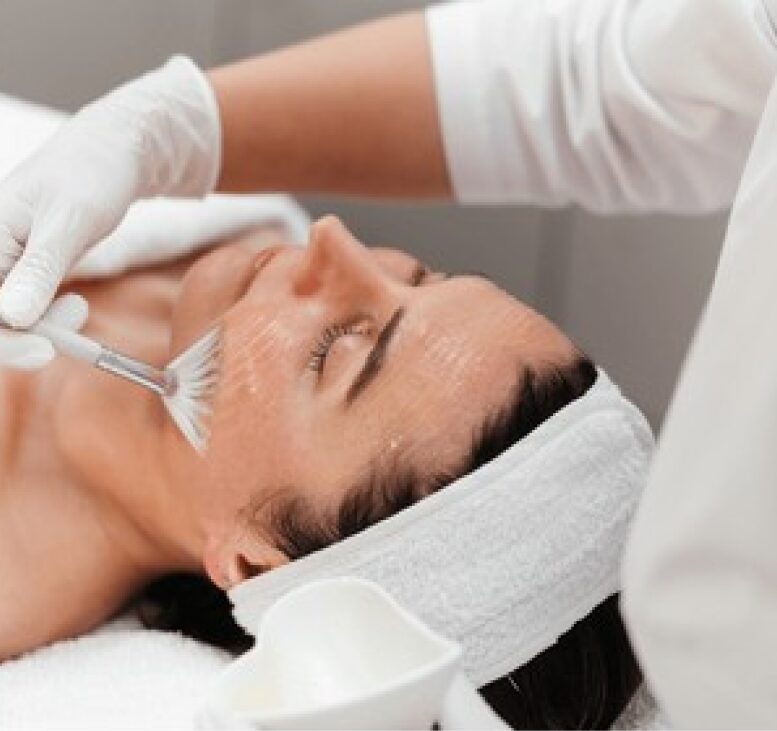
A Chemical Peel is a dermatological procedure that uses safe, controlled solutions to exfoliate damaged outer skin layers and stimulate cell regeneration. At The Lounge Med, our medical-grade chemical peel treatments gently resurface dull, uneven skin to improve pigmentation, acne marks, fine lines, rough texture, and early signs of aging. Whether you want smoother clarity or a refreshed, youthful glow, our specialists customize each chemical skin peel treatment to suit your skin type, ensuring safe, consistent, and visible renewal with minimal downtime.
Chemical Peel Treatment
Experience Personalized Chemical Peels Designed for Targeted Skin Renewal

Purpose
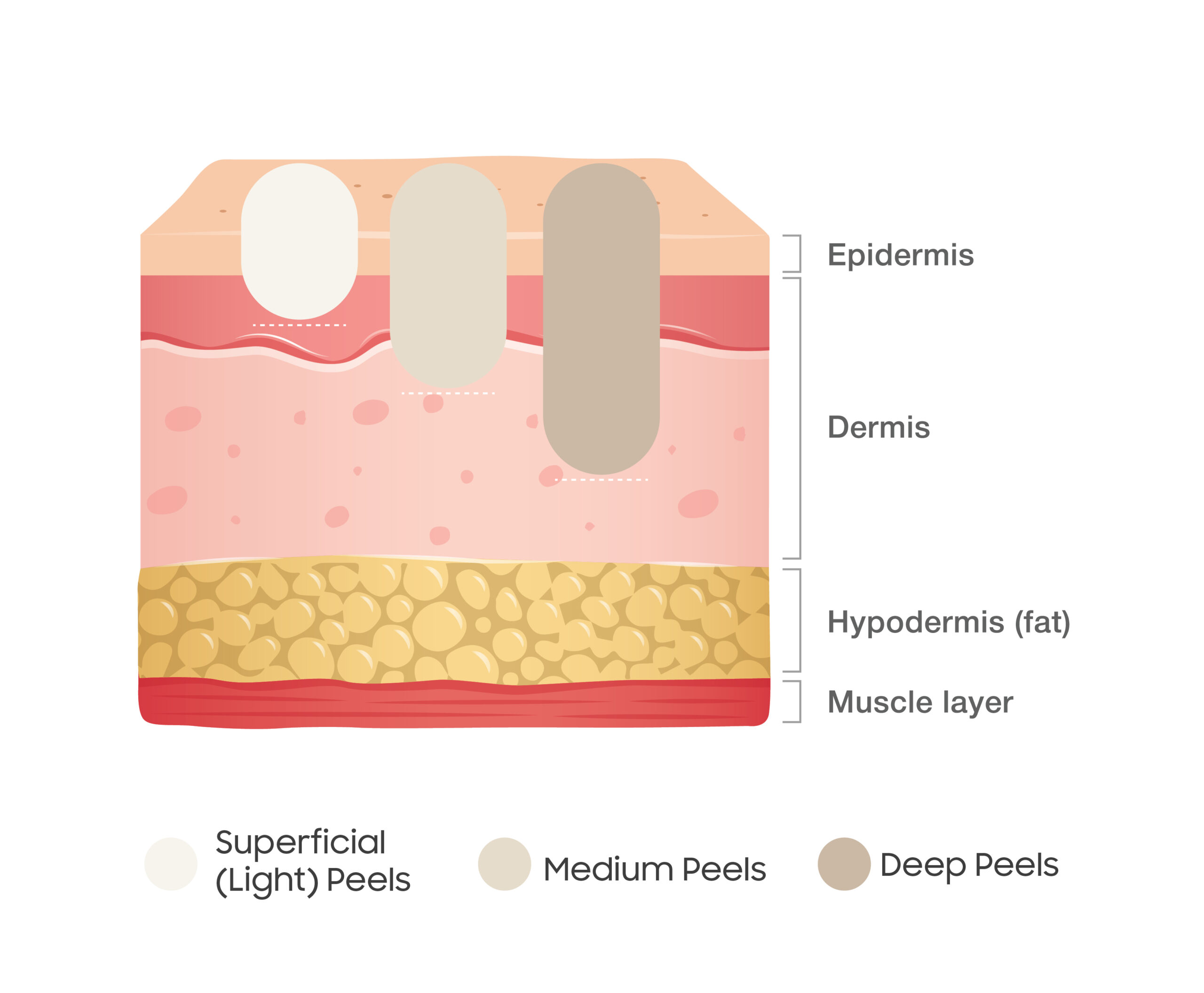
Gently exfoliate the outermost layer of the skin to improve mild imperfections, uneven skin tone, early signs of aging, and minor acne.

Common Ingredients
Glycolic acid, lactic acid, salicylic acid, fruit enzymes.

Downtime
Minimal; slight redness or flaking may appear for a few hours to a day.

Benefits
Brightens skin, smooths texture, promotes natural radiance, and prepares skin for more advanced treatments.

Ideal For
Those seeking gentle, non-invasive rejuvenation and maintenance.
Specialized Light Peels
LHA (Lipo Hydroxy Acid) Peel
A gentle derivative of salicylic acid that provides slow, controlled exfoliation with antibacterial benefits. Ideal for sensitive and acne-prone skin, it helps unclog pores, reduce oiliness, and smooth skin texture with minimal irritation.
Purpose
Penetrates deeper layers of the skin to address moderate wrinkles, pigmentation, acne scars, and sun damage.
Common Ingredients
Trichloroacetic acid (TCA 20–35%).
Downtime
3–7 days, noticeable redness, peeling, and temporary sensitivity.
Benefits
Reduces visible signs of aging, evens skin tone, promotes collagen production, and enhances skin renewal.
Ideal For
Skin requiring deeper rejuvenation than superficial peels can provide.
Specialized Medium Peels
Cosmelan Peel
A targeted depigmentation treatment highly effective for melasma, dark spots, and uneven pigmentation. Cosmelan works by inhibiting melanin production while stimulating skin renewal. It combines in-clinic application with a personalized home-care routine, providing lasting results with proper sun protection and follow-up care.
Purpose
Penetrates deep into the dermis to correct severe sun damage, deep wrinkles, and significant scarring.
Common Ingredients
Phenol, high-concentration TCA.
Downtime
2–3 weeks; requires intensive aftercare, including monitoring for sensitivity and infection.
Benefits
Dramatically improves skin texture, tightens skin, and delivers long-lasting rejuvenation.
Ideal For
Advanced signs of aging or severe skin concerns that cannot be treated with lighter peels.
Chemical Peel Treatment
Understanding Chemical Peel Treatment for Radiant Skin

Improves Skin Texture
Exfoliates dull outer layers, leaving skin smoother and softer.
Reduces Pigmentation
Helps fade sun damage, melasma, and acne marks for an even tone.
Minimizes Fine Lines & Early Aging Signs
Stimulates collagen production for a youthful appearance.
Unclogs & Refines Pores
Clears congestion and reduces pore size for clearer skin.
Boosts Radiance & Hydration
Enhances natural glow while keeping skin nourished and refreshed.
Non-Invasive & Customizable
Treatments are tailored to skin type and concern, with minimal downtime.
Avoid Skincare with Actives
Avoid using retinoids, exfoliating acids, and harsh skincare products for 5–7 days before treatment.
Sun and Heat Protection
Stop using tanning beds and self-tanners, and avoid direct sun exposure for at least one week.
Avoid Moroccan Bath
Refrain from Moroccan Bath or any steam-based, exfoliating treatments for at least one week before your peel, as they can over-sensitize the skin.
Skip Hair Removal
Do not undergo waxing, threading, or laser hair removal for 7-10 days prior to treatment.
Hydrate Skin
Keep your skin well-hydrated with gentle cleansers and non-active moisturizers.
Talk to Your Specialist
Inform your specialist about active acne, infections, cold sores, or any medications you’re taking.
Skin Cleansing
The treatment area is thoroughly cleansed to remove oils, makeup, and impurities, ensuring optimal contact of the peel solution with the skin.
Protection
Sensitive areas such as the eyes and lips are shielded. Pre-conditioning products may be applied if recommended by the specialist.
Application
The chemical solution (light, medium, or deep) is carefully applied in layers to exfoliate the outer layer of the skin and stimulate cell renewal.
Reaction Monitoring
The specialist monitors the skin’s response, controlling exposure time to achieve desired exfoliation without over-irritation.
Neutralization and Removal
For peels that require it, the solution is neutralized or removed. Protective ointments or moisturizers are applied to soothe the skin.
Post-treatment Care
Cooling gels or ointments may be applied. Instructions for sun protection, moisturizing, and activity restrictions are provided for optimal recovery.
Redness & Irritation
After any peel, your skin may feel red, tight, or mildly irritated. These effects are normal and vary depending on peel depth.
Light Peel
Treated skin may be slightly red and dry. Mild irritation is common and usually resolves within 1–7 days. Makeup can be applied once the skin feels comfortable.
Medium Peel
Expect redness, swelling, and stinging. Skin may crust, darken, or develop temporary blotches. Healing typically takes 7–14 days, with residual redness possibly lasting longer.
Deep Peel
Severe redness, swelling, burning, and throbbing may occur. Protective ointments and close follow-up care are essential. New skin develops in about two weeks; redness may persist for months.
Sun Protection
Avoid direct sun exposure, use broad-spectrum SPF 50+ daily, and wear protective clothing to prevent hyperpigmentation.
Avoid Moroccan Bath
Skip Moroccan Bath, steam rooms, saunas, and exfoliating treatments for 2–3 weeks after a peel (or longer for medium/deep peels) to prevent irritation and hyperpigmentation
Avoid Picking or Rubbing
Avoid scratching, peeling, or rubbing treated areas to prevent irritation, scarring, or uneven healing.
Comfort Measures
Ice packs and over-the-counter pain relievers can help manage discomfort. Follow your specialist’s guidance on ointments or moisturizers.
Follow-Up Care
Attend scheduled checkups to monitor healing, assess results, and adjust aftercare if necessary.
Skip Hair Removal
Avoid hair removal (laser, waxing, creams, threading) for 2-4 weeks, depending on the type of peel.
Chemical Peel Treatment
Chemical Peels in Ras Al Khaimah: Targeted Skin Renewal Near You
If you’re searching for chemical peel treatment or chemical peels near you, our clinic offers advanced solutions designed to address uneven pigmentation, acne scars, melasma, sun damage, rough skin texture, enlarged pores, and early signs of aging.
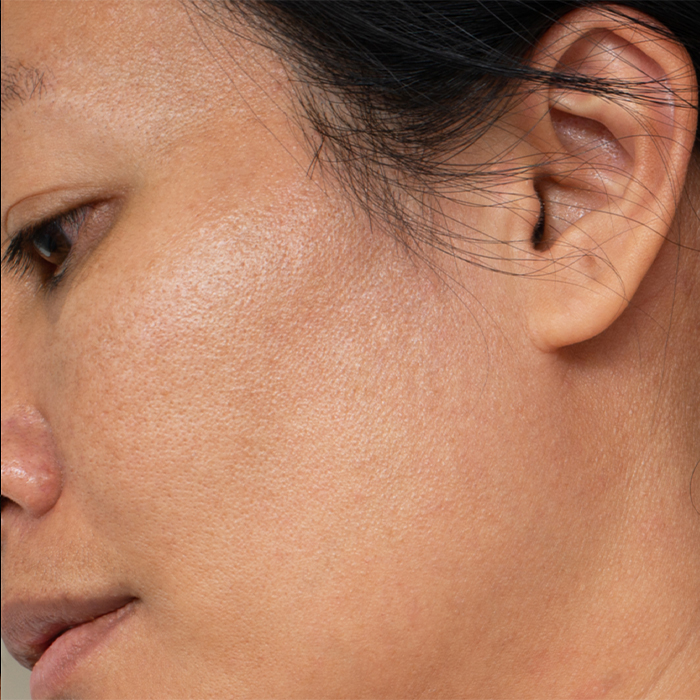
Who is the Ideal Candidate for Chemical Peels?
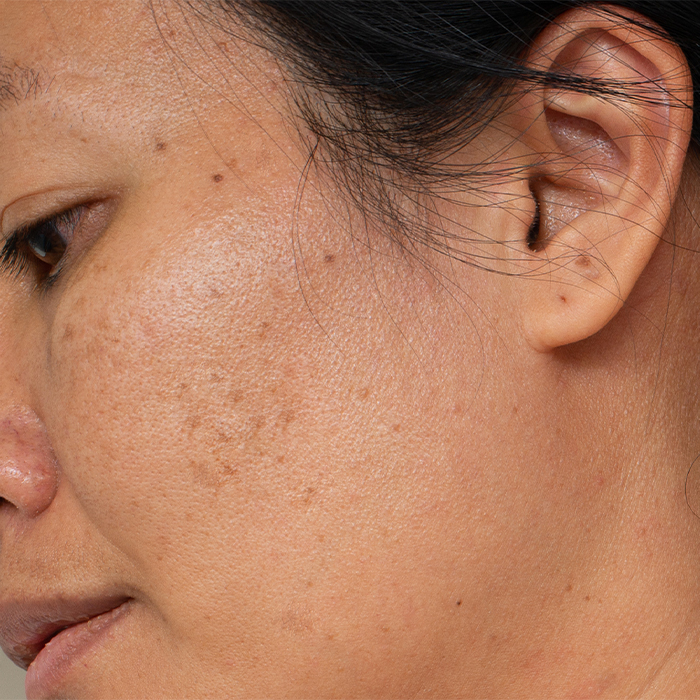
Chemical Peels are ideal for individuals looking to improve uneven skin tone, pigmentation, acne marks, fine lines, enlarged pores, dullness, and rough texture. They are suitable for most skin types, particularly those seeking non-invasive rejuvenation. If you want clearer, smoother, and naturally radiant skin, without the need for lasers or aggressive procedures, a customized chemical peel treatment can be the perfect solution for you.
FAQs
Are You Ready to Experience Radiant Skin?
Answering your most commonly asked questions about chemical peels.
What is a chemical peel?
A Chemical Peel is a dermatological procedure that applies safe, controlled chemical solutions to exfoliate the outer layers of damaged skin. It stimulates cell renewal, improves texture, reduces pigmentation, acne marks, and fine lines, and reveals smoother, brighter, and healthier-looking skin. Peels can be customized to suit light, medium, or deep strengths, depending on your skin type and goals.
How do I know which type of chemical peel is right for me?
The ideal peel depends on your skin type, concerns, and treatment goals. During your consultation, our specialists assess your skin and recommend the most suitable peel strength and formulation.
Is a consultation necessary before getting a chemical peel?
Yes. A consultation with our dermatologist or aesthetic specialist is necessary to assess your skin, address your concerns, and ensure the treatment is tailored to your specific needs and is safe for you.
Is the treatment painful?
Most clients experience mild warmth, tingling, or slight stinging during the peel, which is temporary and manageable. Deeper peels may cause more noticeable discomfort, but protective ointments, cooling gels, and specialist monitoring ensure the procedure remains safe and tolerable.
How long is the downtime?
Downtime depends on the type and depth of the peel. Light peels may cause minimal redness or flaking for 1–3 days, while medium peels often involve 5–7 days of peeling and mild redness. Deep peels require more intensive recovery, with visible flaking, redness, or swelling that can last several weeks. Proper aftercare ensures safe and effective results.
How many sessions will I need?
The number of sessions varies based on your skin concerns, peel type, and desired results. Some clients see improvement after a single treatment, while others benefit from a series of peels spaced weeks apart. Your specialist will design a personalized plan for optimal, lasting outcomes.
Why is aftercare so important following a chemical peel?
Proper aftercare protects your newly resurfaced skin, enhances results, and minimizes risks such as irritation, pigmentation, or delayed healing. Your specialist will guide you on the products and steps to follow.
Are chemical peels safe for all skin types?
Most skin types can safely undergo Chemical Peels when the treatment is properly selected and performed by trained experts. Your specialist will choose a peel that suits your skin’s sensitivity and condition.